How an AI-Generated Image Became a Far-Right Meme in British Politics

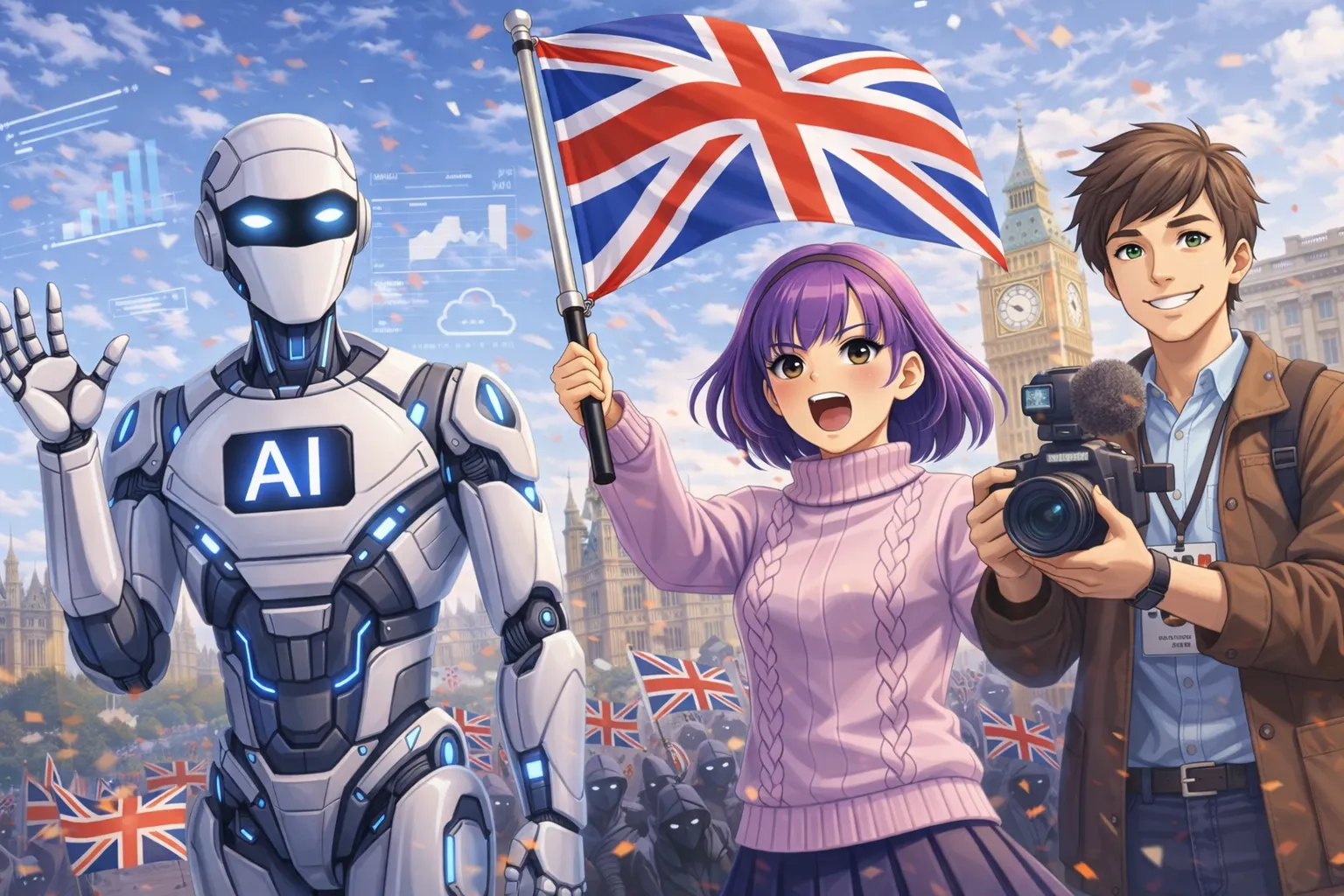
An AI-generated image of a fictional British schoolgirl has gone viral across far-right social media networks, becoming a meme used to promote racist and extremist narratives. According to reporting by The Guardian, the image was created using generative AI tools and then repeatedly recontextualized to push political messaging, despite depicting a person who does not exist.
The episode highlights a growing problem at the intersection of AI image generation, meme culture, and online radicalization: synthetic media that feels emotionally real can be weaponized at scale without the legal or social friction attached to exploiting real individuals.
What Actually Happened
The image depicts a young white schoolgirl wearing a UK-style uniform. It was generated entirely by AI and shared initially without context. Far-right accounts later began attaching captions suggesting the girl represented a threatened national identity, using the image to evoke fear, nostalgia, and anger.
Because the subject is not a real person, traditional safeguards that apply to harassment, defamation, or child protection were difficult to enforce. The image exists in a legal gray zone: emotionally persuasive, widely circulated, and detached from an identifiable victim.
This allowed the meme to spread rapidly across Telegram, X, and fringe forums before moderation systems could respond.
Why This Matters Now
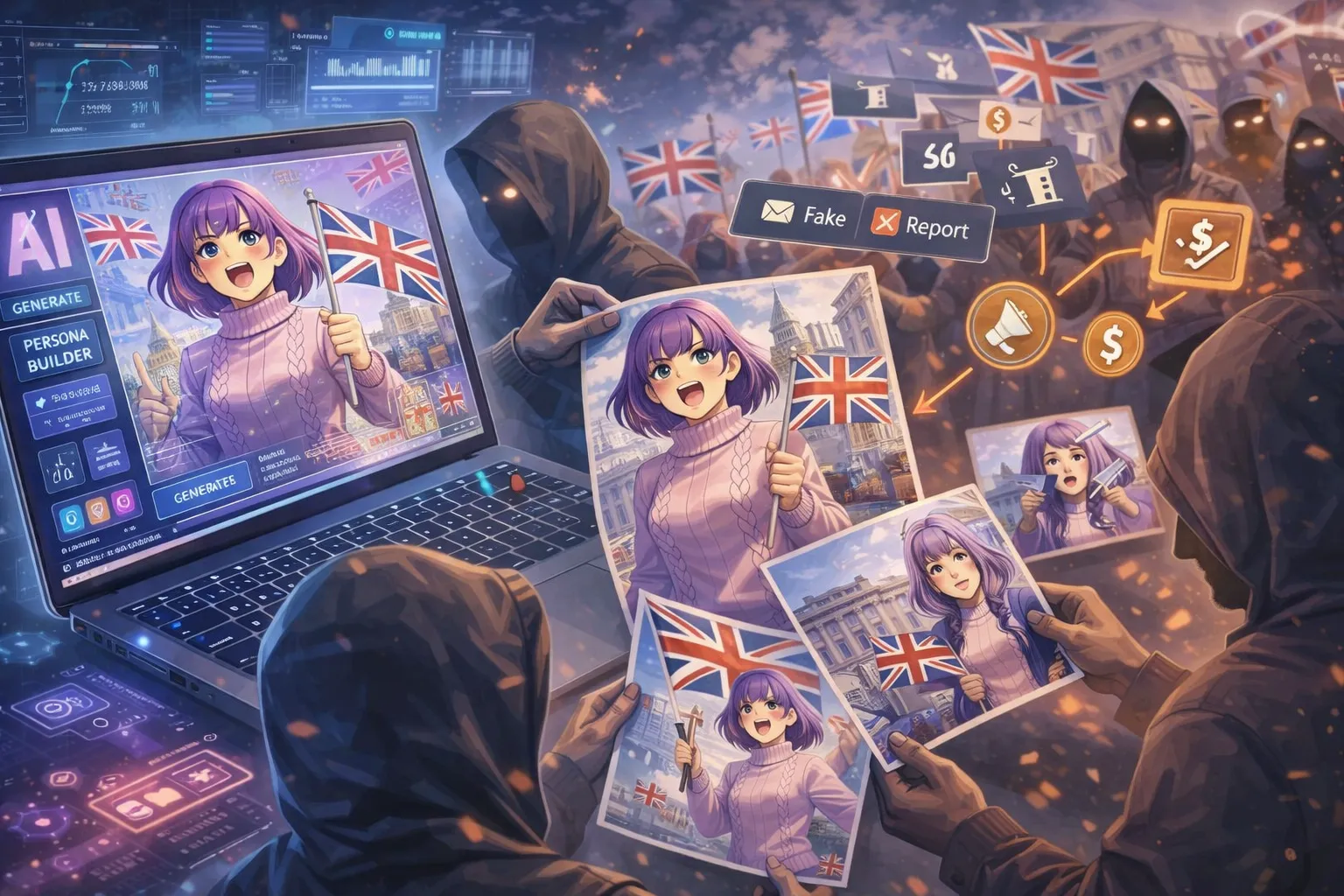
This case illustrates how generative AI lowers the cost of producing emotionally charged propaganda. Previous extremist memes relied on either real individuals or crude symbolism. AI allows bad actors to fabricate “relatable” characters optimized for virality without consent, accountability, or reputational risk.
The speed matters. Generative tools can now produce thousands of variations of a single character, testing which imagery resonates most strongly with specific audiences. That feedback loop mirrors techniques used in advertising and political campaigning, but without oversight.
The result is not just misinformation, but synthetic identity construction designed to provoke emotional alignment.
The Hard Problem for Platforms
From a moderation standpoint, AI-generated personas break existing enforcement models. There is no real victim to protect, no copyright holder to notify, and no single piece of content that clearly violates policy on its own. The harm emerges from context, repetition, and narrative framing.

Platforms are increasingly forced to moderate intent rather than artifacts, which is technically and politically difficult. Automated systems are poor at detecting ideological manipulation when the underlying media is synthetically neutral.
This shifts the challenge from content removal to narrative disruption, an area where current tools are underdeveloped.
AI Is Not the Villain, But It Changes the Battlefield
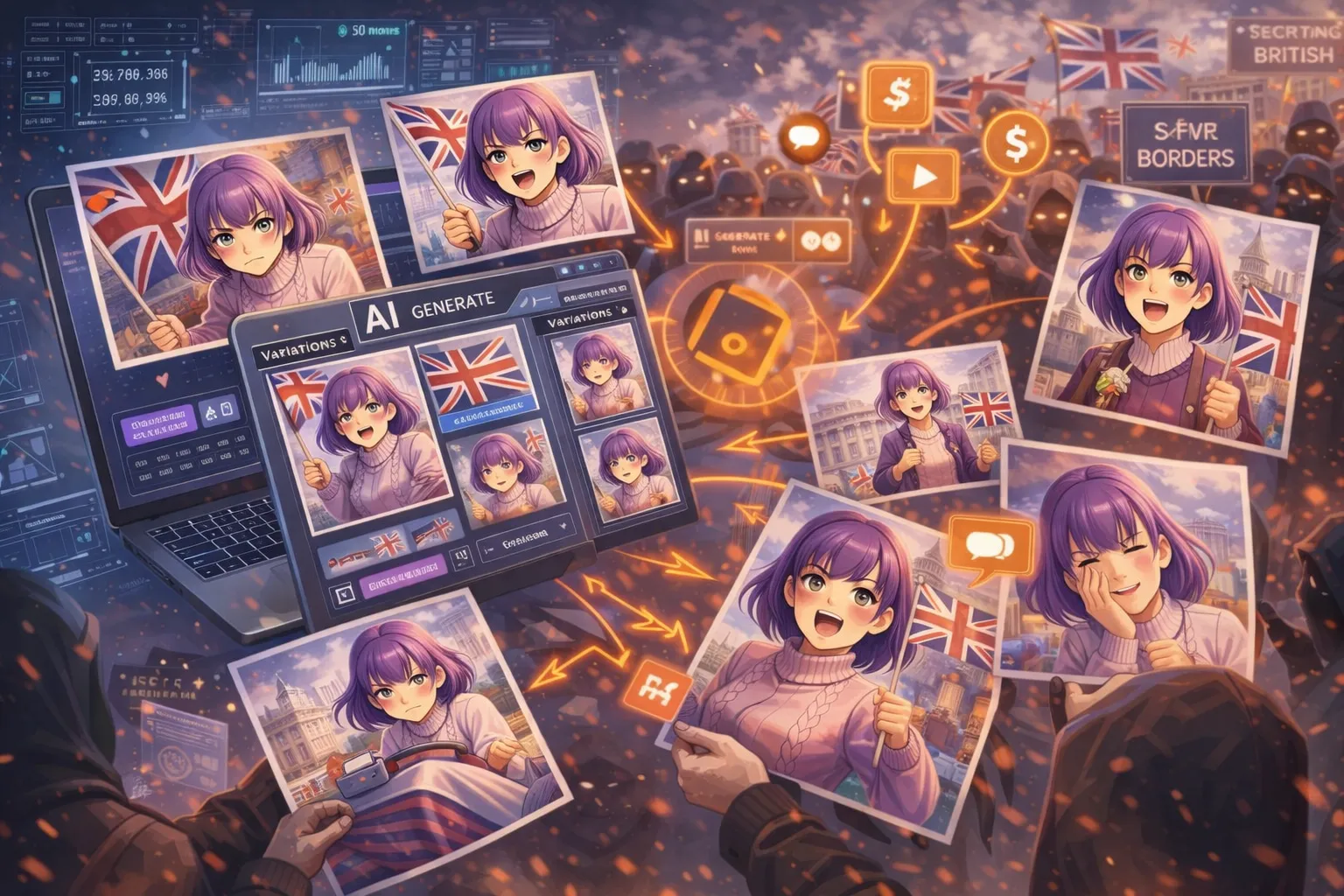
This incident should not be read as an argument against generative AI itself. The technology did not invent extremism. What it did was remove friction from image creation and identity fabrication, making existing tactics faster and harder to trace.
As with previous media shifts, the risk lies less in the tool and more in how incentives and distribution amplify misuse. Addressing that requires better literacy, clearer platform accountability, and stronger contextual moderation, not blanket bans.
Understanding how these systems are used in the wild is a prerequisite to regulating them effectively.
Sources & Reporting
This article is based on reporting from:
The Guardian — “AI-generated British schoolgirl becomes far-right social media meme”
Want to explore how AI systems shape narratives, culture, and power?
On VibePostAI, the community shares prompts, tools, and analysis that go deeper than headlines — from media literacy workflows to research and moderation experiments.
👉
Create a free account and explore prompts shaping how AI is actually used