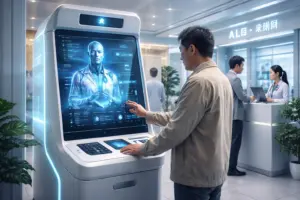
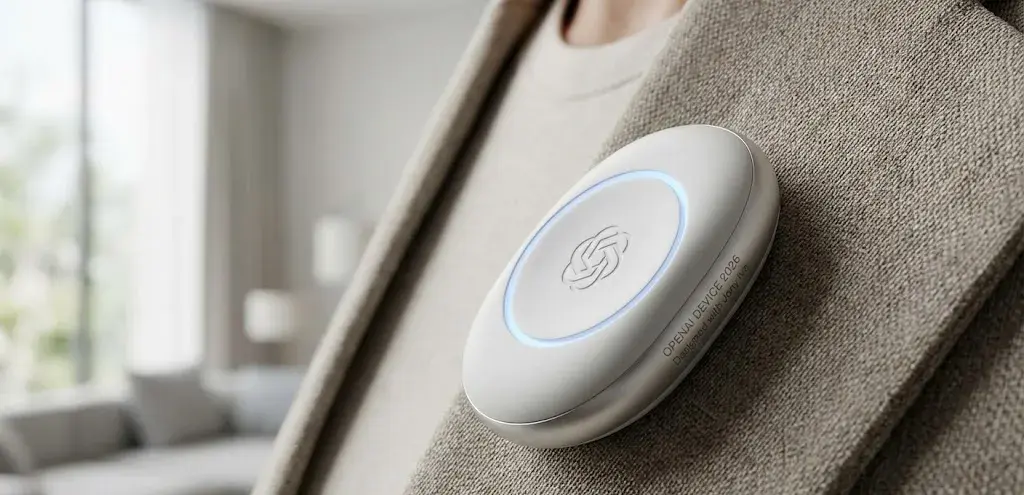
AI and Manufacturing’s Next Phase — From Smart Factories to Physical Devices

AI is reshaping industry at two interconnected frontiers: how factories operate and how people interact with AI itself. As nations embrace “physical AI” in manufacturing, companies like OpenAI are stepping into hardware — hinting at a future where AI is not just code in the cloud, but embodied in everyday tools.
Manufacturing AI Transformation Goes Physical
Countries like South Korea are formalizing strategies to integrate artificial intelligence with manufacturing at scale. Their “Manufacturing AI Transformation” plans aim to use data, automation, and machine learning to boost productivity, quality and global competitiveness in industrial
This shift goes beyond traditional automation. The concept often called physical AI means robots and systems don’t just follow fixed rules — they sense, learn, and adapt dynamically on the factory floor. A World Economic Forum exploration of physical AI notes how robots with perception and decision-making capabilities are expanding use cases beyond repetitive tasks, enabling greater flexibility and collaboration with human workers.
Industry 5.0 thinking, where humans and intelligent machines partner, is gaining traction: while AI handles data-heavy prediction and optimization, human experts focus on judgment and adaptability. The result is not job replacement, but job transformation — workers upskill into roles where strategic decisions matter more than rote execution.
Beyond Code — AI Devices Coming in 2026
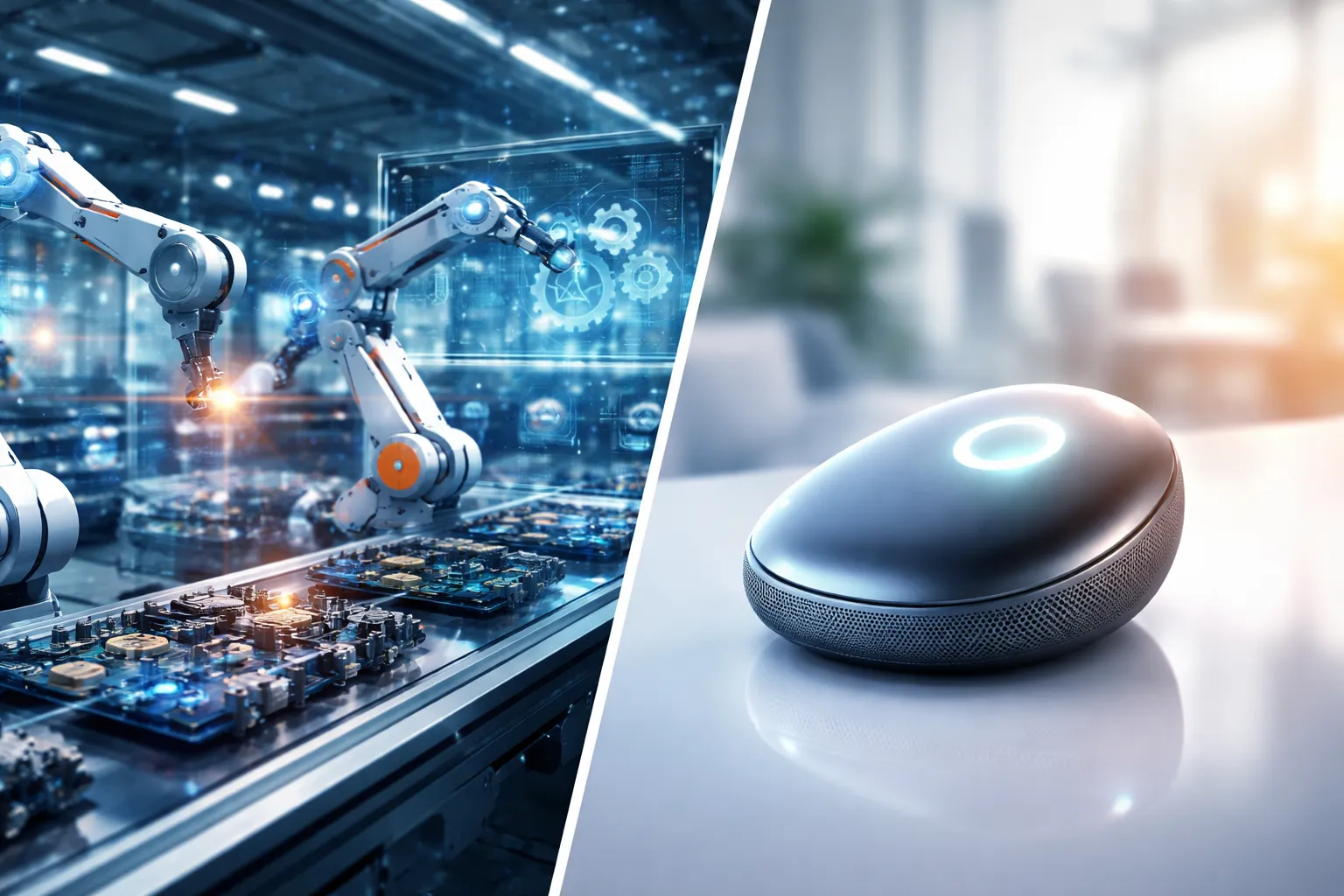
In parallel with industrial AI, consumer AI is moving from screens toward physical form. OpenAI has confirmed that it is **developing its first hardware device, scheduled to debut in the *second half of 2026*. This represents a bold shift for a company best known for cloud-based models like ChatGPT.
This device is being developed in collaboration with legendary designer Jony Ive, formerly of Apple’s design team, following OpenAI’s acquisition of his hardware-focused company io. While details remain scarce, the partnership signals a strong emphasis on **usability, physical interaction, and consumer appeal** — something prior AI gadgets have struggled to achieve.
Industry rumors suggest the form factor could be wearable (including earbuds or a compact voice-first accessory) but OpenAI has kept specifics tightly under wraps. CEO Sam Altman and design leads have stressed that the goal is to create a device that feels “natural” and intuitive to use — not merely another smart screen.
Industrial and Consumer AI — A Converging Future
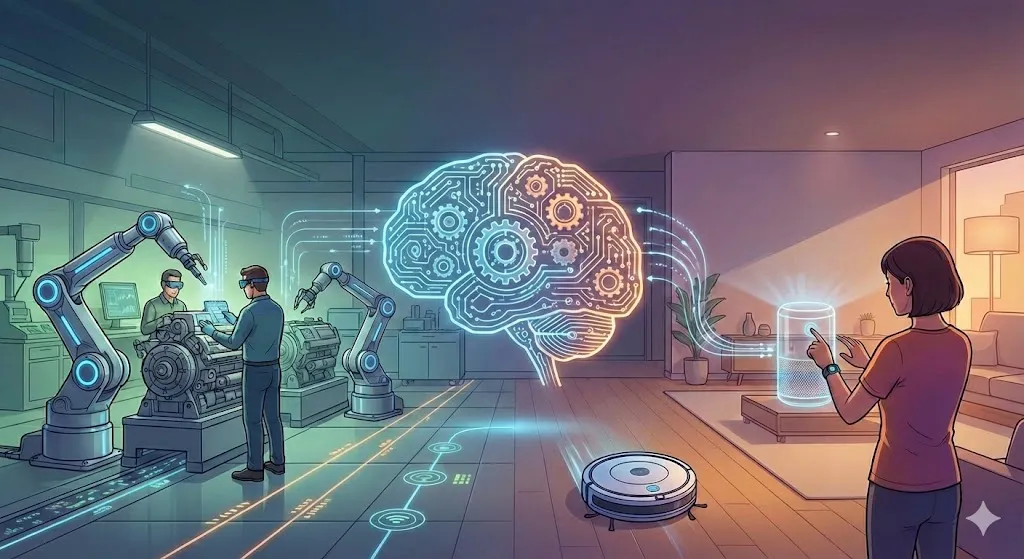
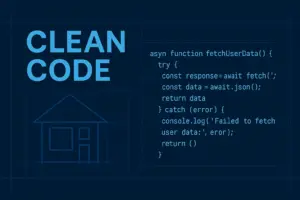
The trends in manufacturing and AI hardware are not separate curiosities — they’re two sides of the same evolution. Factories are embedding intelligence deeper into physical processes, while consumer devices are beginning to embed AI into everyday interaction. Together, they reflect a wholesale shift in how AI is experienced, not just computed.
For manufacturing, physical AI promises adaptable robots, smarter quality control, and responsive systems that augment human workers rather than replace them. For consumer tech, a successful AI device could break new ground in accessibility and ambient intelligence, blurring the lines between cloud AI and personal experience.
Both trends highlight a larger point: AI’s impact is becoming structural. It is not just software people invoke via apps and desktops — it is becoming part of **physical infrastructure and daily life**. Organizations and workers alike should be thinking not just about *what* AI can do, but *where* it interacts with the world.
Sources
UPI – “S. Korea’s manufacturing AI transformation strategy” (upcoming strategies blending data and AI)
World Economic Forum – “Physical AI and manufacturing intelligence”
Axios / OpenAI device coverage – OpenAI’s 2026 hardware ambitions (second half 2026 release)
Wikipedia / io company history – Jony Ive’s hardware team and acquisition
Stay updated on AI adoption, manufacturing trends, and platform strategy:
Join VibePostAI