Banning AI-Created Music Misses the Point: Why Human Creativity Thrives With AI

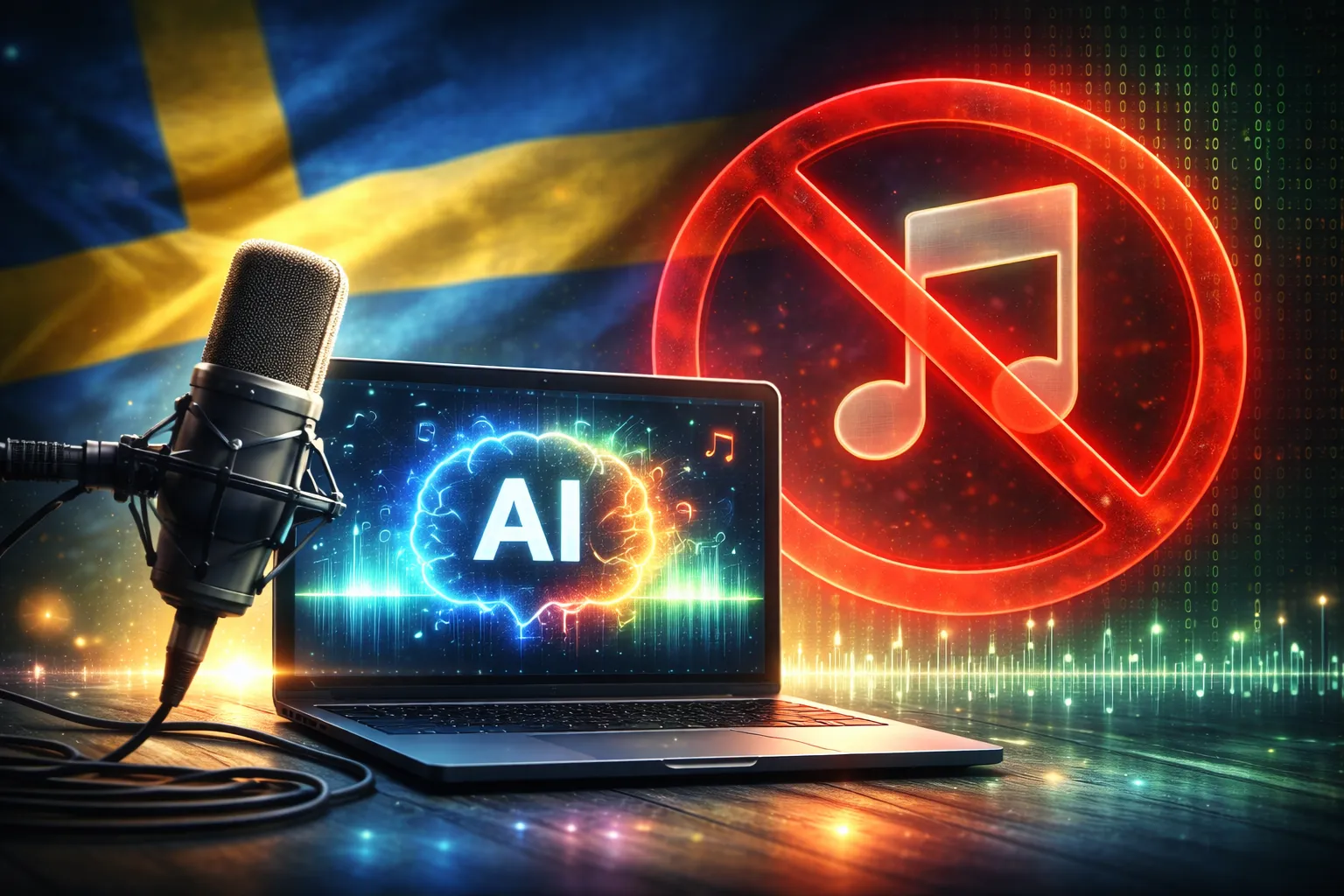
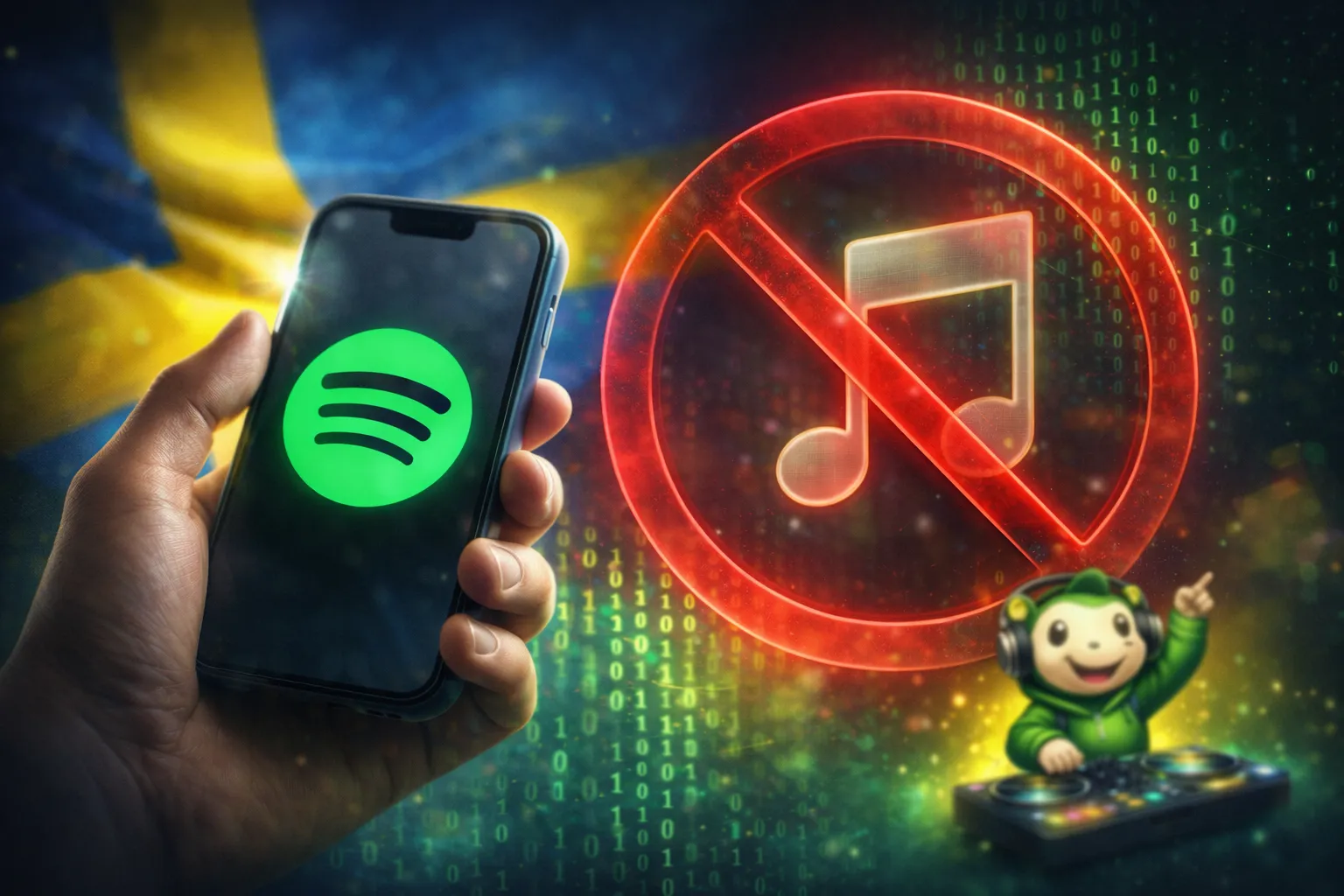
A recent uproar in Sweden highlights the growing tension around AI-generated art. An AI-assisted folk-pop song, “Jag vet, du är inte min” (“I Know, You Are Not Mine”), rocketed to the top of Spotify’s Swedish chart with around five million streams. Yet despite its popularity, the track, attributed to a virtual singer “Jacub,” was disqualified from Sweden’s official music charts because of its AI origins.
The country’s music industry body, IFPI Sweden, has argued that if a song is mainly AI-generated, it does not qualify for the national top list. That decision has triggered a direct question that matters beyond Sweden. Is prohibiting AI-created music protecting human artists, or is it blocking a new form of creativity?
Sweden’s hard line arrives amid broader anxieties about AI’s impact on the arts. Industry groups have warned that unchecked AI could cut musician revenues by up to a quarter in coming years. Those fears are not new. History suggests that banning a new tool is usually a blunt instrument that misses the real issue. Instead of barring AI-assisted music from recognition, the more useful question is how to preserve creator economics while allowing creative methods to evolve.
Creativity Beyond Technical Skills
At the center of this controversy is a misunderstanding about how AI intersects with human creativity. The team behind “Jacub,” a group of experienced songwriters and producers, says AI was a tool inside a human-controlled creative process, not a push-button replacement for artistry. They describe a workflow where people wrote the story, shaped the melody, and then used AI to assist with execution.
This points to a larger truth. Technical skills and creative ideas are not the same thing. Someone can have a strong song concept without being able to play every instrument or produce a studio-grade recording. Across music history, creators have relied on tools and collaborators to translate vision into a finished work. AI fits that pattern. It lowers friction for people who have ideas but lack traditional training or resources.
The idea still has to come from an artist. The melody in someone’s head, the story in the lyrics, the emotion they want to express. AI does not invent meaning on its own any more than a guitar writes a song by itself.
Prompting Is a Form of Creative Direction
Prompting AI is not a single action. It is a creative loop. You set intent, pick constraints, evaluate outputs, refine the instruction, and iterate until the result matches the target in your head. Many practitioners describe prompt work as a form of authorship because it requires taste, specificity, and selection.
In this sense, the person who conceives the prompt for a song, image, or poem is doing something closer to directing than pressing a button. The prompt is a blueprint. The model is an instrument. The human decides what stays, what gets cut, and what the final piece is trying to say.
Dismissing AI-assisted work as “not human” overlooks that the human is often doing the most important part. They are choosing what should exist and shaping it until it does.
AI as the New Instrument
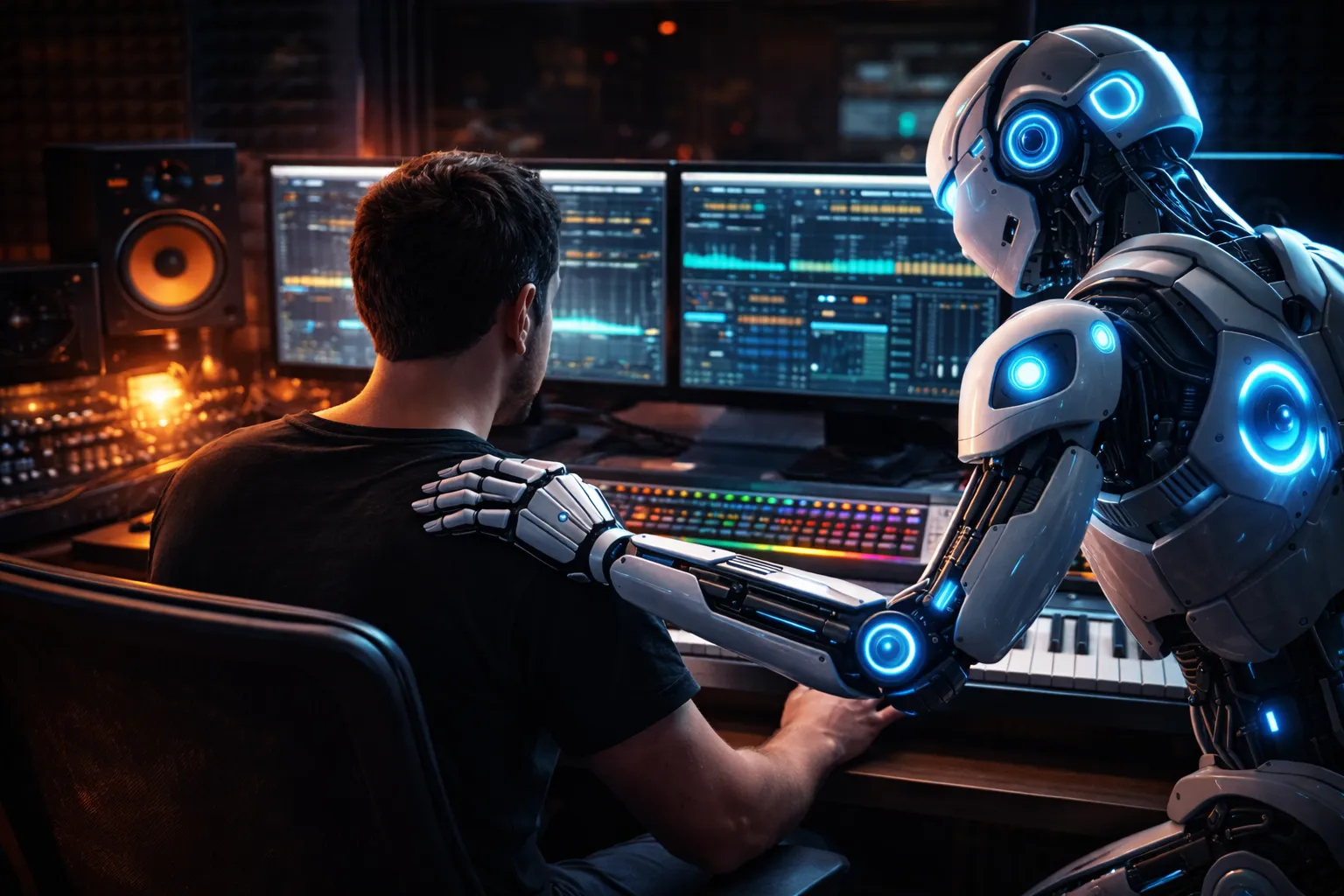
A more useful frame is to treat AI as the latest instrument in a long line of tools that expanded music. Technology has always shaped art. New instruments change what is easy, what is possible, and what styles emerge.
Music has repeated this cycle many times. Electric guitars, drum machines, samplers, and synthesizers all faced early backlash. In hindsight, those tools did not destroy creativity. They expanded it. They also redistributed who could participate in production.
That historical pattern does not mean every AI use is good. It means that banning a tool because it threatens existing definitions is usually a short-term response to a long-term shift.
Do Listeners Care How a Song Is Made
The Swedish case forces another uncomfortable question. Do audiences treat the toolchain as the defining property of the art, or do they respond to the result? The song’s popularity suggests that listeners connected with it. They played it repeatedly at scale.
This does not mean listeners will always be indifferent. Transparency still matters, especially when voice cloning or impersonation is involved. People deserve to know what they are hearing, and artists deserve consent when their identity is used.
Still, if a track is original, resonates with real people, and does not exploit someone else’s identity, banning it from recognition starts to look like a process purity test rather than a meaningful safeguard.
Embrace AI Creativity, Regulate the Real Risks
None of this dismisses legitimate concerns. Authorship, ownership, and compensation get complicated when models are trained on large catalogs. Flooding is also real. If platforms are saturated with low-effort synthetic uploads, discovery and payouts can be distorted.
The case for regulation is strongest where harm is clearest. Consent for voice cloning. Clear labeling. Licensing for training. Anti-spam controls on platforms. These are mechanisms that target abuse without outlawing a medium.
Blanket bans tend to produce a predictable outcome. Responsible creators hide their process, bad actors keep shipping at scale, and the system loses transparency.
Conclusion: Don’t Fear the Tool, Empower the Artist
Art evolves alongside tools. AI is not the end of music. It is another shift in how ideas become finished works. Treating AI-assisted creation as illegitimate confuses the medium with the message.
If a song moves people, the more important questions are whether it is original, whether it is transparent, and whether the ecosystem pays creators fairly. Those are solvable problems. Banning the output because the tool was involved is not.
Sources & Reporting
This piece draws on reporting about the Swedish chart decision and the song’s streaming performance, plus broader industry coverage on AI-generated music, licensing efforts, and platform policies.
BBC News: Song banned from Swedish charts for being an AI creation IFPI Sweden: Chart eligibility position (as reported) STIM: AI licensing framework and policy statements Billboard: Chart methodology and eligibility guidelines Bandcamp: Generative AI policy announcement
More editorials on AI platforms, creator economics, and product strategy from the editorial feed: A.I News on VibePostAI